
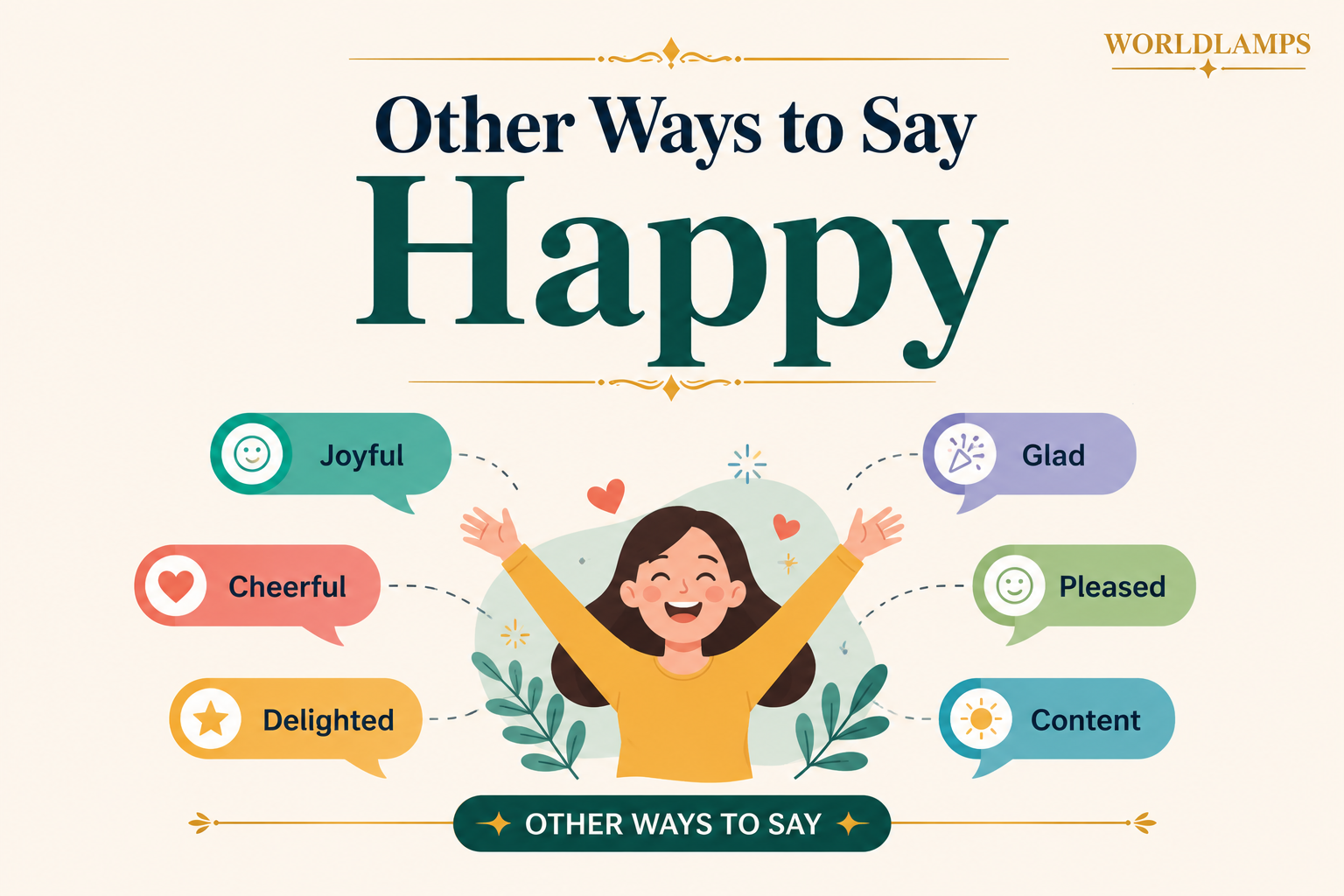
Other ways to say happy can make your conversations and writing more expressive, natural, and engaging. While the word “happy” is one of the most common emotional words in English, using it repeatedly can make sentences feel repetitive and less descriptive. That is why many people search for other ways to say happy to improve communication and add variety to their vocabulary.
Different situations call for different expressions of happiness. Sometimes you may want to sound formal and professional, while other times you may prefer casual, playful, or emotional wording. Choosing the right alternative helps your message feel more accurate and meaningful.
For example, in professional communication you might use words like “pleased” or “delighted,” while in casual conversations phrases like “thrilled” or “on cloud nine” sound more natural and exciting. Learning these alternatives can improve both spoken and written English.
Another benefit of learning other ways to say happy is emotional precision. Different words describe different levels of joy, excitement, satisfaction, or gratitude. Instead of using the same simple adjective repeatedly, you can communicate emotions more clearly and creatively.
In this guide, you will discover formal, casual, professional, funny, and polite alternatives for “happy.” You will also learn when to use each expression, common mistakes to avoid, and practical tips for using these alternatives naturally.
Why You Need Alternatives
Using the same emotional word repeatedly can weaken your writing and conversations. This is one of the biggest reasons people look for other ways to say happy. Alternatives help make communication feel more expressive and interesting.
Imagine reading a story where every character is simply described as “happy.” The writing quickly becomes repetitive and less emotional. Different expressions help create stronger imagery and emotional depth.
Another important reason is tone. Formal writing requires polished wording, while casual conversations often sound better with relaxed or playful expressions. Knowing multiple other ways to say happy helps you adapt your language naturally.
Alternatives also help improve emotional accuracy. Some words describe calm satisfaction, while others express excitement, gratitude, or extreme joy. Choosing the right word helps communicate exactly how someone feels.
Students can improve essays with stronger emotional vocabulary. Professionals can sound more polished in workplace communication. Content creators can make blogs and social media posts more engaging. Everyday conversations also become more expressive and natural.
Formal Ways
Formal alternatives are perfect for academic writing, business communication, professional emails, and official situations.
Delighted
Example: We are delighted to announce the new partnership.
“Delighted” sounds polished and professional.
Pleased
Example: I am pleased with the results of the project.
This word works well in formal communication.
Satisfied
Example: Customers were satisfied with the service provided.
This alternative expresses calm happiness or approval.
Joyful
Example: The event created a joyful atmosphere for everyone involved.
“Joyful” sounds warm and elegant.
Content
Example: She felt content with her decision.
This word describes peaceful happiness.
Elated
Example: The team was elated after winning the competition.
“Elated” expresses strong excitement and happiness.
Using formal other ways to say happy improves professionalism and emotional variety in serious writing.
Casual Ways
Casual alternatives are ideal for texting, conversations, social media captions, and relaxed communication.
Glad
Example: I’m glad you came today.
This word sounds natural and friendly.
Excited
Example: I’m excited about the weekend trip.
This expression shows energetic happiness.
Thrilled
Example: She was thrilled to get concert tickets.
“Thrilled” expresses strong excitement.
Cheerful
Example: He stayed cheerful despite the rain.
This word describes a positive mood.
In a Good Mood
Example: Everyone was in a good mood after the party.
This phrase sounds conversational.
Smiling
Example: She walked in smiling from ear to ear.
This expression creates visual emotion.
Learning casual other ways to say happy makes conversations sound more natural and expressive.
Professional Ways
Professional alternatives work best in workplace communication, presentations, meetings, and business writing.
Pleased
Example: We are pleased to work with your company.
This word sounds respectful and polished.
Encouraged
Example: Management is encouraged by the positive results.
This expression sounds optimistic and professional.
Optimistic
Example: Investors remain optimistic about future growth.
This word describes hopeful happiness.
Appreciative
Example: We are appreciative of your continued support.
This alternative expresses gratitude professionally.
Motivated
Example: Employees felt motivated after the meeting.
This phrase connects happiness with inspiration.
Using professional other ways to say happy improves workplace communication and creates a positive impression.
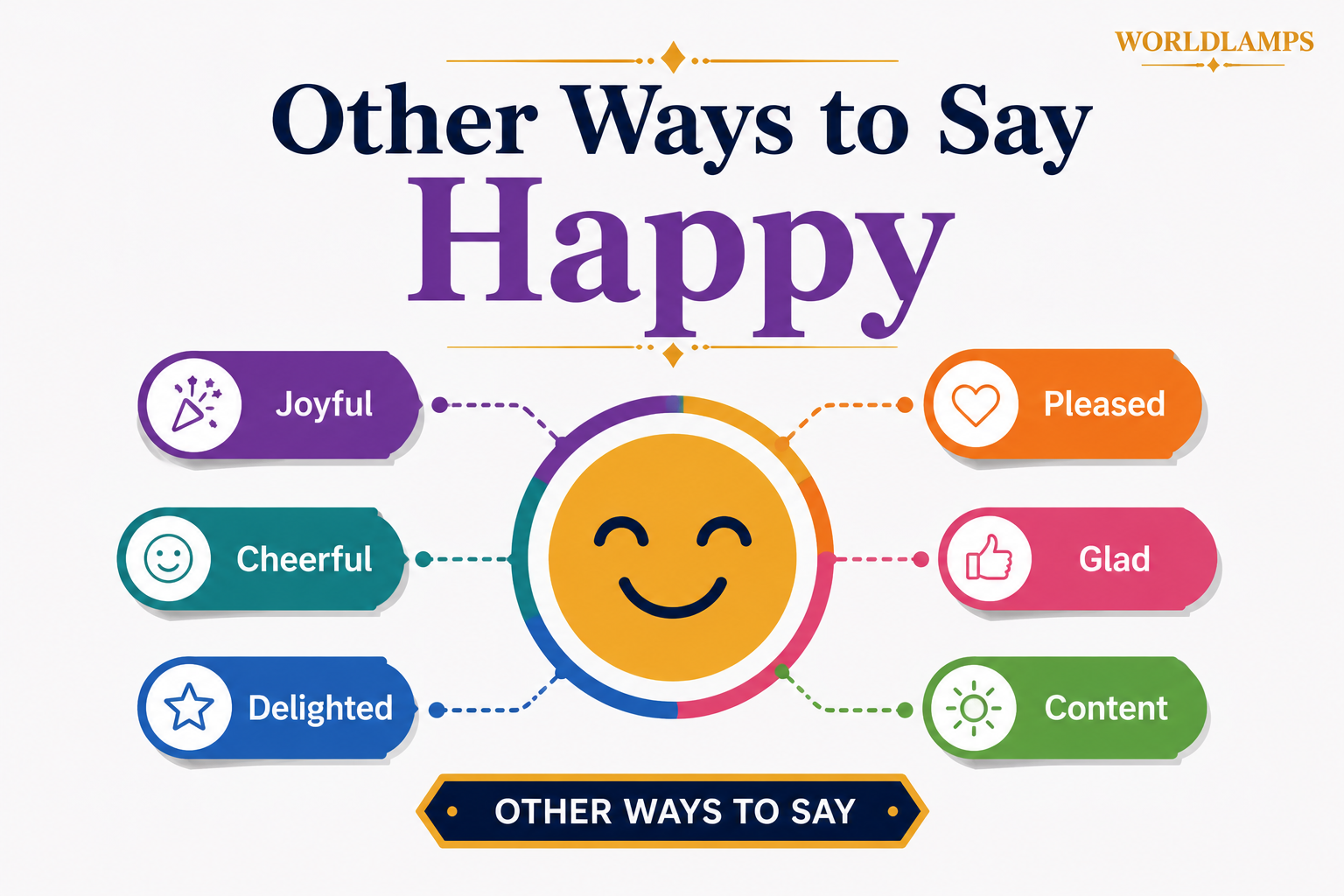
Funny or Creative Ways
Creative alternatives add personality and energy to your communication.
On Cloud Nine
Example: She was on cloud nine after hearing the news.
This phrase describes extreme happiness.
Over the Moon
Example: He was over the moon about the promotion.
This expression sounds playful and emotional.
Jumping for Joy
Example: The kids were jumping for joy at the party.
This phrase creates strong imagery.
Happy as a Clam
Example: She looked happy as a clam on vacation.
This expression sounds humorous and relaxed.
Walking on Sunshine
Example: He has been walking on sunshine all week.
This phrase feels cheerful and creative.
Using funny or creative other ways to say happy makes storytelling and social media content more engaging.
Polite Ways
Polite alternatives are useful in respectful communication, customer service, and professional interactions.
Grateful
Example: We are grateful for your patience and support.
This word combines happiness with appreciation.
Thankful
Example: I’m thankful for your help.
This expression sounds warm and respectful.
Appreciative
Example: We are appreciative of your understanding.
This phrase works well in professional communication.
Pleased
Example: We are pleased to assist you today.
This alternative sounds polite and polished.
Delighted
Example: We are delighted to welcome you to the event.
Polite other ways to say happy help create positive and respectful communication.
When to Use Each
Understanding context is extremely important when choosing other ways to say happy.
Formal alternatives work best in essays, official announcements, and business communication. Casual alternatives fit everyday conversations, texting, and social media posts. Professional expressions are ideal for workplace emails, presentations, and meetings. Funny or creative phrases work well in storytelling, blogs, and entertaining content. Polite alternatives are useful in customer support and respectful discussions.
The more you practice identifying tone and audience, the easier it becomes to choose the perfect expression naturally.
Common Mistakes
Many people make mistakes when using other ways to say happy.
One common problem is using extremely emotional words in formal situations. For example, saying “I’m over the moon” in a business report may sound unprofessional.
Another issue is overusing one expression repeatedly, which creates repetitive writing again. Some learners also confuse words with slightly different emotional meanings.
Grammar mistakes are another problem. Certain expressions work better in specific sentence structures.
Ignoring tone is also common. Casual phrases may sound awkward in academic or workplace writing.
Avoiding these mistakes helps your communication sound smoother and more natural.
Tips for Choosing
Choosing the best other ways to say happy depends on audience, tone, and emotional intensity.
Think carefully about who will read or hear your message. Professional audiences expect polished language, while casual conversations sound better with relaxed expressions.
Choose words based on emotional strength. “Content” sounds calm and peaceful, while “thrilled” sounds energetic and exciting.
Reading your sentence aloud can help identify awkward wording. Observing native speakers through books, movies, podcasts, and social media can also improve your understanding of natural usage.
Switching between multiple alternatives helps improve readability and emotional expression.
How to Practice
Practice is the best way to master other ways to say happy.
One effective method is rewriting sentences using different emotional words. Reading books and articles exposes you to natural vocabulary usage. Watching movies and TV shows also helps you hear emotional expressions in real conversations.
Speaking aloud improves fluency and confidence. Keeping a vocabulary notebook can help you remember useful alternatives and example sentences.
Try using one new expression every day in conversations, emails, or social media captions. Consistent practice makes these alternatives feel natural over time.
Frequently Asked Questions
What does “happy” mean?
The word “happy” describes feelings of joy, pleasure, satisfaction, or positive emotion. People often search for other ways to say happy because they want more expressive and descriptive vocabulary choices for writing and conversations.
What is the best formal alternative?
One of the best formal alternatives is “delighted” because it sounds polished, professional, and positive. Other strong formal choices include “pleased,” “content,” and “satisfied,” depending on the situation.
Can I use these alternatives in essays?
Yes, many of these alternatives work perfectly in essays and academic writing. Formal words like “joyful,” “content,” and “delighted” can improve emotional expression and make writing more engaging.
Which alternatives sound most casual?
Casual alternatives include words and phrases like “glad,” “thrilled,” “excited,” and “on cloud nine.” These expressions sound natural and conversational in everyday communication.
How can I remember these phrases easily?
The best way to remember other ways to say happy is through regular practice and exposure. Reading English content, watching movies, listening to conversations, and using new words daily can improve vocabulary quickly.
Conclusion
Learning other ways to say happy can make your communication more expressive, engaging, and emotionally accurate. Whether you need formal wording for professional situations, casual phrases for conversations, or creative expressions for storytelling, having multiple alternatives improves both writing and speaking skills.
The more you practice these expressions, the more naturally they become part of your vocabulary. Strong emotional vocabulary improves readability, confidence, and communication quality while helping your language sound more polished and natural.