
Introduction
Other ways to say I love you can help your feelings sound more personal, emotional, and memorable. While “I love you” is one of the most powerful phrases in the world, repeating it too often can sometimes make conversations feel predictable. Learning different expressions of love helps your messages sound warmer, deeper, and more creative.
People search for other ways to say I love you for many reasons. Some want romantic phrases for partners, while others need sweet expressions for family members, close friends, or special occasions. Different relationships require different emotional tones, and choosing the right words can make your message feel even more meaningful.
For example, romantic messages may sound sweeter with phrases like “you mean everything to me” or “I adore you,” while playful conversations may feel more natural with “you’re my favorite person.” Some expressions sound deeply emotional, while others feel casual, cute, or poetic.
Learning other ways to say I love you also improves emotional communication. Different expressions can show affection, admiration, loyalty, appreciation, comfort, and emotional connection in unique ways.
In this guide, you will discover formal, casual, professional, funny, romantic, and polite alternatives. You will also learn when to use each phrase, common mistakes to avoid, and practical tips for expressing love naturally.
Why You Need Alternatives
Using the same romantic phrase repeatedly can make conversations feel repetitive. This is one of the biggest reasons people search for other ways to say I love you. Alternatives help communication feel more heartfelt and creative.
Different relationships also require different language styles. Romantic partners, family members, close friends, and spouses may all respond differently to certain expressions. Knowing multiple other ways to say I love you helps you adapt naturally.
Another important reason is emotional depth. Some expressions sound deeply romantic, while others feel playful, comforting, or supportive. Choosing the right phrase helps communicate exactly how you feel.
Alternatives can also improve text messages, social media captions, greeting cards, wedding vows, and daily conversations. Small wording changes often create stronger emotional connections.
Whether you are expressing affection, appreciation, admiration, or commitment, having different ways to communicate love makes relationships feel more meaningful.
Formal Ways
Formal alternatives are useful in heartfelt letters, speeches, respectful communication, and meaningful conversations.
I Adore You
Example: I truly adore you and everything about you.
This phrase sounds elegant and deeply affectionate.
You Mean the World to Me
Example: You mean the world to me and always will.
This wording feels sincere and emotional.
I Cherish You
Example: I cherish every moment we spend together.
This phrase sounds thoughtful and romantic.
You Have My Heart
Example: No matter where life takes us, you have my heart.
This expression sounds poetic and meaningful.
I Am Deeply Fond of You
Example: I am deeply fond of you and your kindness.
Using formal other ways to say I love you helps communication sound heartfelt and elegant.
Casual Ways
Casual alternatives are perfect for texting, social media, and everyday conversations.
Love Ya
Example: Love ya. Talk to you later.
This phrase sounds relaxed and friendly.
You’re My Favorite Person
Example: You’re honestly my favorite person ever.
This wording feels warm and playful.
I’m Crazy About You
Example: I’m crazy about you and your energy.
This phrase sounds fun and emotional.
You Make Me Happy
Example: You make me happy every single day.
This expression feels simple and genuine.
I’m So Glad I Have You
Example: I’m so glad I have you in my life.
Learning casual other ways to say I love you makes conversations feel more natural and affectionate.
Professional Ways
Professional alternatives are useful in respectful emotional communication or situations where softer wording is appropriate.
I Truly Appreciate You
Example: I truly appreciate everything you do for me.
This phrase sounds warm without being overly romantic.
You Mean a Great Deal to Me
Example: You mean a great deal to me and my family.
This wording feels respectful and sincere.
I Value Our Relationship
Example: I value our relationship more than words can express.
This phrase sounds mature and thoughtful.
I Care About You Deeply
Example: I care about you deeply and sincerely.
This alternative sounds emotional yet balanced.
I’m Thankful for You
Example: I’m thankful for your support and kindness.
Using professional or respectful other ways to say I love you helps maintain emotional warmth appropriately.
Funny or Creative Ways
Funny and creative alternatives add charm and personality to conversations.
You’re Stuck With Me Forever
Example: Sorry, you’re stuck with me forever.
This phrase sounds playful and affectionate.
I Love You More Than Pizza
Example: I love you more than pizza, and that’s serious.
This wording feels funny and cute.
You’re My Favorite Notification
Example: You’re my favorite notification every day.
This phrase sounds modern and playful.
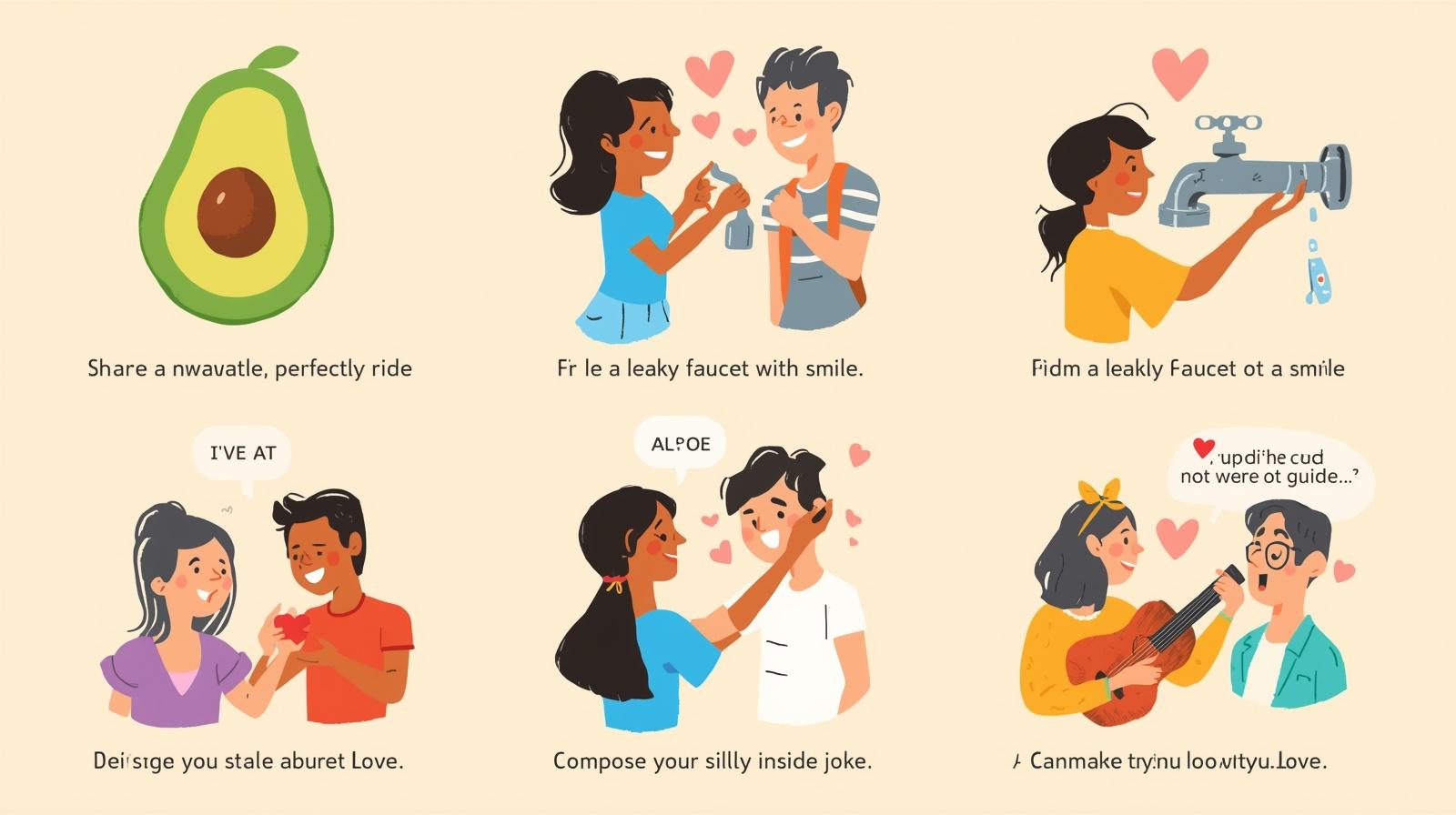
I’d Share My Fries With You
Example: I’d even share my fries with you.
This expression feels humorous and sweet.
You Make My Heart Do Cartwheels
Example: Every time I see you, my heart does cartwheels.
Using funny or creative other ways to say I love you can make conversations more memorable and entertaining.
Polite Ways
Polite alternatives work well in respectful relationships and gentle emotional conversations.
I Care About You
Example: I care about you very much.
This phrase sounds kind and sincere.
You’re Very Special to Me
Example: You’re very special to me and always will be.
This wording feels warm and respectful.
I’m Grateful for You
Example: I’m grateful for having you in my life.
This phrase sounds thoughtful and genuine.
You Bring Joy to My Life
Example: You bring joy to my life every day.
This alternative feels soft and emotional.
I Treasure Our Bond
Example: I treasure our bond and friendship deeply.
Polite other ways to say I love you help create sincere and meaningful communication.
When to Use Each
Understanding context is important when choosing other ways to say I love you.
Formal alternatives work best in romantic letters, speeches, and heartfelt conversations. Casual alternatives fit texting, daily conversations, and social media captions. Professional or respectful expressions are ideal when softer emotional language is needed. Funny or creative alternatives work well in playful relationships. Polite phrases are useful in respectful and emotional situations.
The more you understand tone and relationship dynamics, the easier it becomes to choose the perfect phrase naturally.
Common Mistakes
Many people make mistakes when using other ways to say I love you.
One common issue is choosing overly intense phrases too early in a relationship. Some expressions may sound too emotional if the relationship has not reached that level yet.
Another mistake is using playful wording during serious emotional moments where sincerity is more important.
Repeating the same phrase constantly can also reduce emotional impact. Some people also ignore tone and audience when choosing expressions.
Grammar and wording mistakes may also affect emotional clarity, especially for English learners.
Avoiding these mistakes helps emotional communication feel more genuine and natural.
Tips for Choosing
Choosing the best other ways to say I love you depends on your relationship, tone, and emotional intention.
Think carefully about the person you are speaking to. Romantic partners may appreciate deeply emotional wording, while friends may prefer playful and casual expressions.
Choose phrases based on emotional intensity. Some alternatives sound poetic and passionate, while others feel gentle and supportive.
Reading your message aloud can help identify awkward wording. Watching movies, reading books, and observing emotional conversations can also improve your understanding of natural affectionate language.
Using different alternatives naturally helps communication feel more personal and meaningful.
How to Practice
Practice is the best way to master other ways to say I love you.
One effective method is rewriting romantic messages using different emotional expressions. Reading poems, greeting cards, books, and movie dialogue can expose you to natural affectionate language.
Speaking phrases aloud helps improve confidence and emotional fluency. Keeping a notebook of meaningful expressions can also improve memory.
Try using one new phrase each day in texts, conversations, or letters. Consistent practice helps these expressions become natural parts of your emotional vocabulary.
Frequently Asked Questions
What does “I love you” mean?
“I love you” is a phrase used to express deep affection, emotional connection, admiration, and care toward another person. Many people search for other ways to say I love you to make their feelings sound more creative or personal.
What is the most romantic alternative?
One of the most romantic alternatives is “you have my heart” because it sounds emotional, poetic, and deeply affectionate. Other romantic choices include “I adore you” and “you mean the world to me.”
Can these alternatives be used with friends?
Yes, many of these alternatives work well with close friends and family members. Casual phrases like “love ya” or “you’re my favorite person” sound warm and friendly.
Which alternatives sound most casual?
Casual alternatives include “love ya,” “you make me happy,” and “I’m crazy about you.” These expressions sound relaxed and conversational.
How can I sound more sincere when expressing love?
The best way to sound sincere is by choosing expressions that match your relationship and emotions naturally. Personal details and honest feelings make messages more genuine and meaningful.
Conclusion
Learning other ways to say I love you can make your communication more emotional, meaningful, and memorable. Whether you need romantic wording for a partner, casual expressions for friends, respectful phrases for heartfelt conversations, or creative alternatives for playful moments, having multiple options improves emotional communication.
The more you practice these expressions, the more naturally they become part of your vocabulary. Thoughtful emotional language strengthens relationships, improves connection, and helps conversations feel sincere and personal.